Skip to content
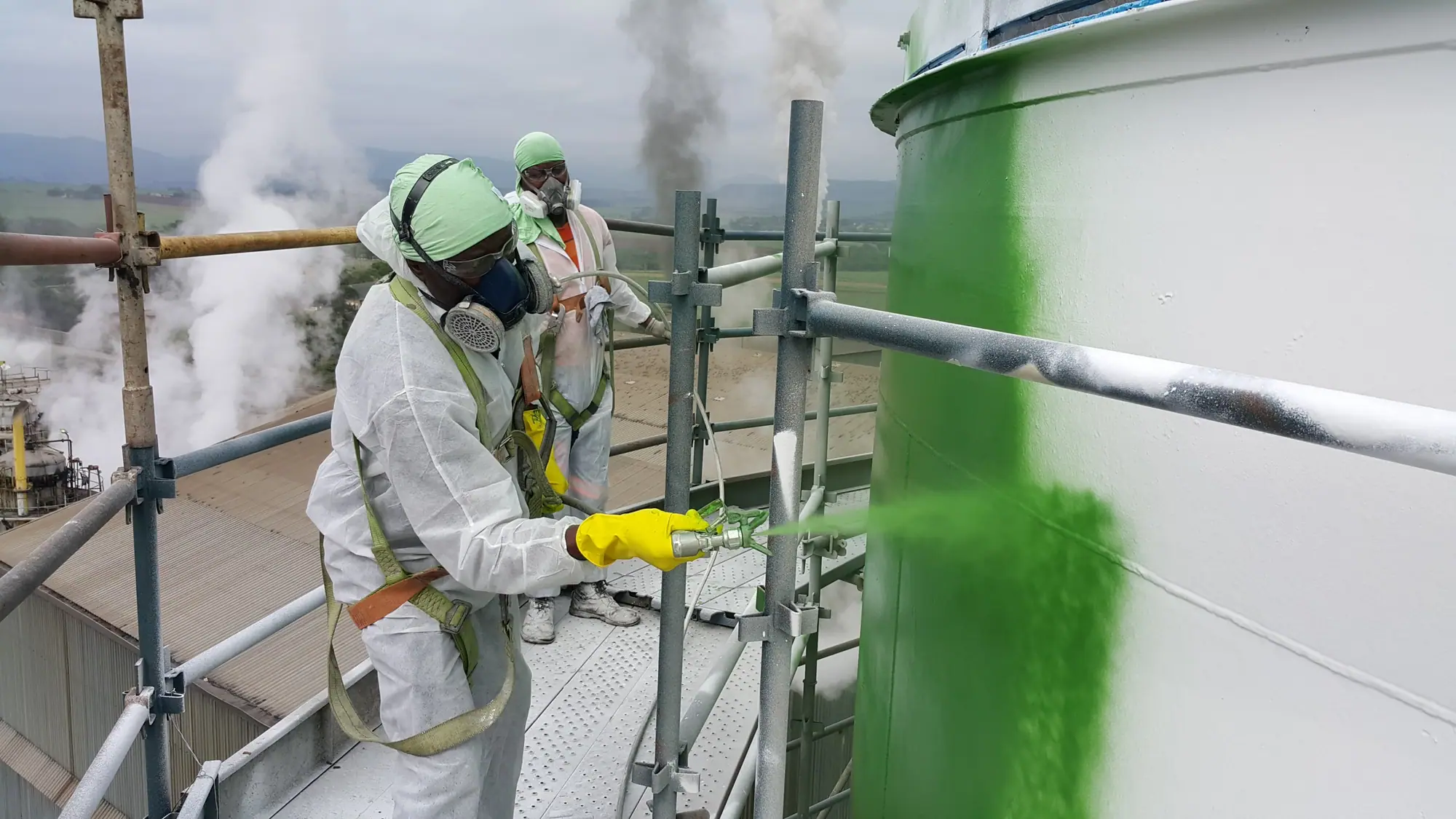
Applicator in full protective suit and respirator spraying coating onto a large green process vessel

Service

Carbotherm

Carbotherm is a thermal coating solution that replaces conventional wool cladding on hot process equipment.

What Blastech does

Key capabilities

Carbotherm 3300 is a ceramic-blend insulative composite coating formulated in a high-temperature resistant acrylic binder. It is suited to use as a protective heat barrier that shields personnel from hot surfaces, and it can be applied to plant that is still hot.

  • Surface preparation and application of thermal insulating coating systems
  • Removal and replacement of failed wool cladding
  • Application to vessels, pans, tanks, silos and associated pipework
  • Work carried out on hot surfaces where shutdown time is limited
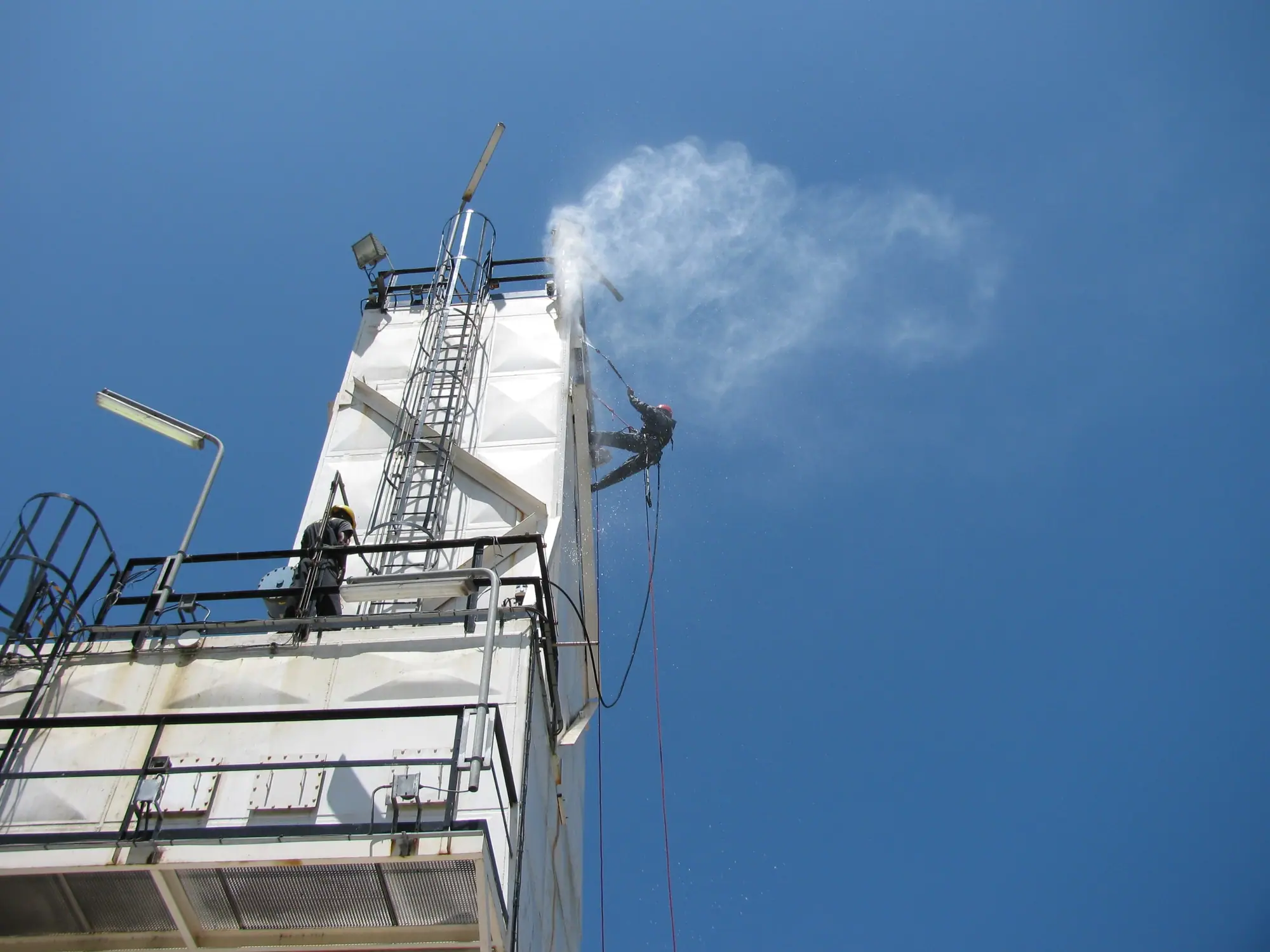
  • Scaffold and rope-access delivery on tall or awkward plant

Typical applications

  • Sugar mill vacuum pans and evaporators
  • Molasses and blow-down vessels
  • Storage silos and sluicing tanks
  • Steam and process pipework
  • Any hot surface where personnel protection is required

Technical advantages

  • Thin-film insulation without the bulk of conventional cladding
  • Protects personnel from contact with hot surfaces
  • Anti-condensation properties on insulated surfaces
  • Suitable for interior and exterior use
  • Zero VOC and low odour
  • May be applied to hot surfaces

Project gallery

Carbotherm project work

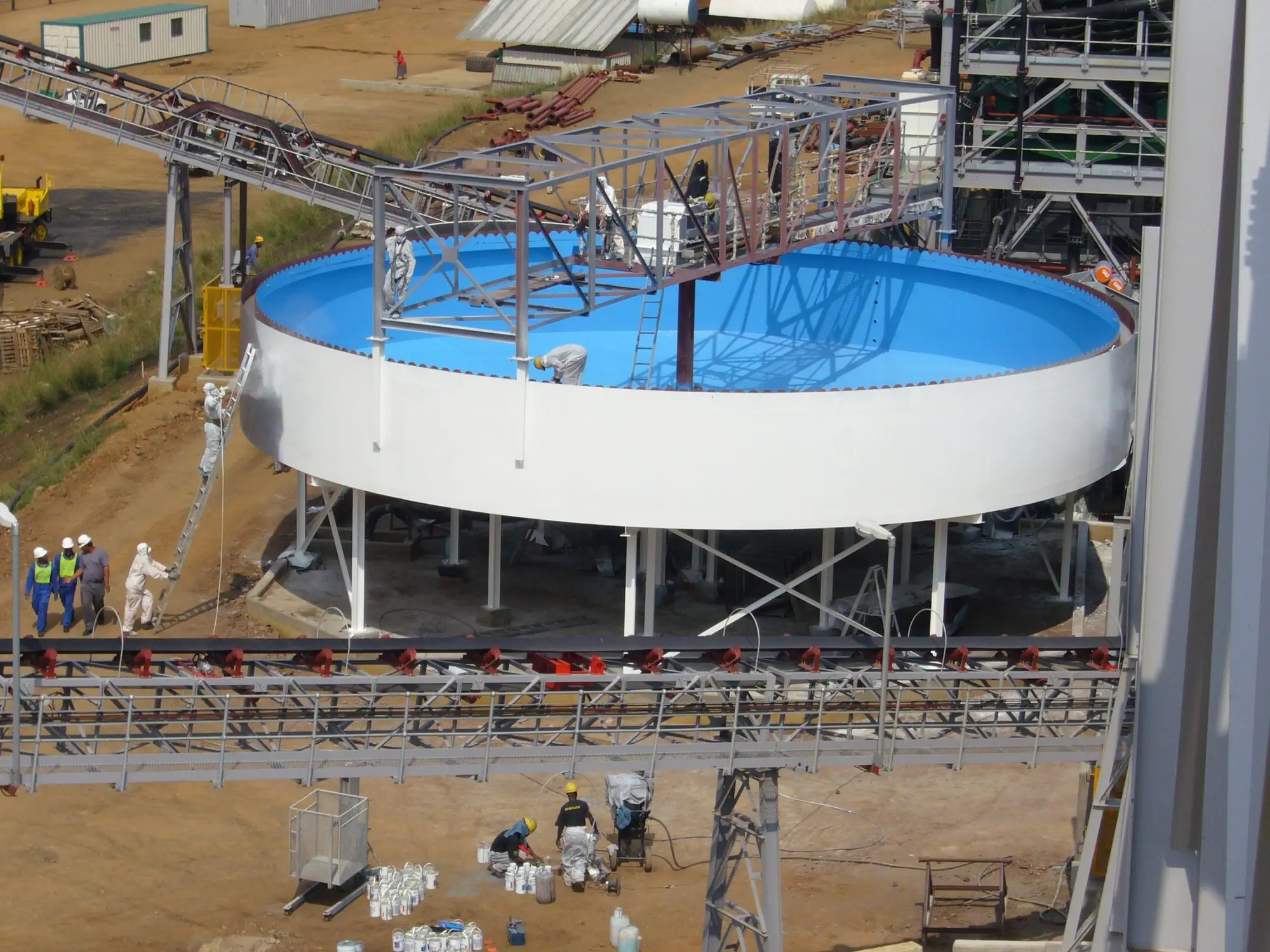
8 photographs from Blastech carbotherm projects. Select any image to view it larger.

Technical resources

Related product data sheets

Manufacturer documents for the systems most often specified on this type of work.

Carbotherm 3300

Carboline

A ceramic-blend insulative composite coating in a high-temperature resistant acrylic binder, used as a protective heat barrier to shield personnel from hot surfaces.

  • Thermal coating
  • High heat
View Carbotherm 3300 data sheet

PDF · 51 KB · opens in a new tab
Browse the full data sheet library

Need carbotherm work quoted?

Tell us the substrate, the exposure and the window you have to work in.